Untreated Wastewater Practices
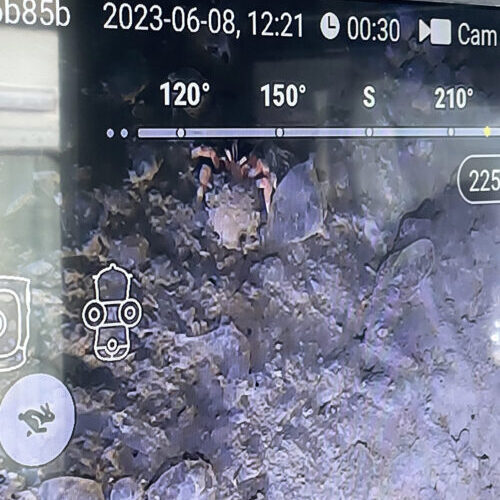
Restored Species: Benthic communities in Adventfjorden

Main Stressor: Human presence and tourism
Practices for Untreated Wastewater
Assessment Phase
Characterize the system
- Evaluate the current wastewater treatment and discharge system, identifying treatment gaps, overflow risks, and compliance with relevant water-quality standards
Baseline environment
- Compile and analyze existing ecological data (e.g., benthic community mapping, previous water/sediment quality surveys, hydrodynamic information)
Risk screening
- Assess potential human health and ecosystem risks associated with untreated/partially treated discharges (e.g., microbial contamination, eutrophication)
Reference conditions
- Identify control or background sites to establish benchmarks for comparison
Stakeholder mapping
- Identify all relevant actors (municipality, operators, tourism sector, NGOs, residents) and their interests in relation to the issue

Planning and Design Phase

Set clear, measurable environmental and social outcomes
- pollutant reduction targets
- awareness/behavior change indicators
Conceptual model
- Develop a stressor-pathway-receptor framework linking wastewater discharge to ecological and social outcomes.
Study design
- Select transect sites from the outfall toward the fjord outlet and at off-plume reference areas
- Determine sampling frequency and replicates
Choose key parameters for wastewater, seawater, and sediments
- Examples: nutrients, organic load, pathogens, benthic health
Apply community-based social marketing principles
- Identify target behaviors, barriers, benefits, and communication channels
Permitting and ethics
- Secure required approvals for environmental sampling, data management, and survey/interview activities

Implementation Phase
Co-development
- Work with stakeholders to co-design both technical (sampling, monitoring, data collection) and non-technical (campaign, outreach) solutions
Field program
- Carry out systematic water, sediment, and wastewater sampling according to the agreed plan, ensuring quality assurance and quality control
Awareness campaign rollout
- Deliver tailored communication activities (digital platforms, QR codes, signage, community events) with pre-tested messages
Capacity building
- Provide training sessions for local partners on sampling methods, data interpretation, and campaign facilitation
Documentation
- Record procedures, decisions, and deviations to support transparency and learning
Monitoring and Evaluation Phase
Environmental monitoring
- Analyze physical, chemical, and biological parameters in wastewater, seawater, and sediments
- Compare to baseline and reference conditions
Social monitoring
- Conduct stakeholder interviews and/or surveys to measure changes in awareness, attitudes, and disposal behaviors
Campaign evaluation
- Track reach and effectiveness of awareness activities
- Examples: QR-scan rates, recall tests, engagement metrics
Adaptive management
- Review data regularly with stakeholders; adjust methods or messages if targets are not being met
Reporting
- Share findings with project partners, governance authorities, and communities in accessible formats

Stakeholder Engagement
Knowledge exchange
- Build awareness and capacity among community members, tourism operators, and local authorities on pollution risks and solutions
Participatory governance
- Create a dialogue forum with municipal and regulatory actors to co-develop practical, feasible interventions
Transparency
- Hold regular meetings to update stakeholders, discuss results, and enable joint decision-making
Public awareness
- Maintain a visible campaign to increase community understanding of how individual actions (e.g., flushing practices) affect the fjord ecosystem
Sustainability
- Identify pathways for integrating campaign tools into ongoing municipal or tourism-sector platforms beyond the project lifetime

Useful Contacts
Michael Waak

SINTEF
Herman Helness

SINTEF
Anne Bødal