Ocean Literacy Resources
Ocean literacy can be defined as "the understanding of our individual and collective impact on the Ocean and its impact on our lives and well being". Initiating an ocean literacy campaign can engage the community in restoration actions and have the potential to improve its outcome. Whether you are interested in engaging adults or children, here you will find examples of material from previous ocean literacy campaigns that can be reused or adapted. We hope you will be inspired to develop a creative-and memorable-campaign by the examples below!
Activities for All Ages
Activities developed for groups or individuals are one great way to engage audiences and develop ocean literacy. We advise the development of activities that are a mixture of short, fun, tactile, and interactive. Activities usually are tailored to teach a particular concept (i.e., what kinds of materials cannot be flushed down a toilet). This concept should be decided on before development and clearly demonstrated through the activity. Peruse the resources below for inspiration!


Virtual Reality (VR) Experiences
Virtual reality can be used to transport users into new environments, including different ecosystems and projects. VR experiences can be used to explore damaged ecosystems, transport users along side scientists in the field, and into renewed environments. VR is a great ocean literacy tool for all ages.
Serious Games
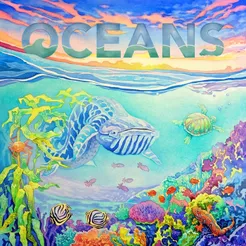
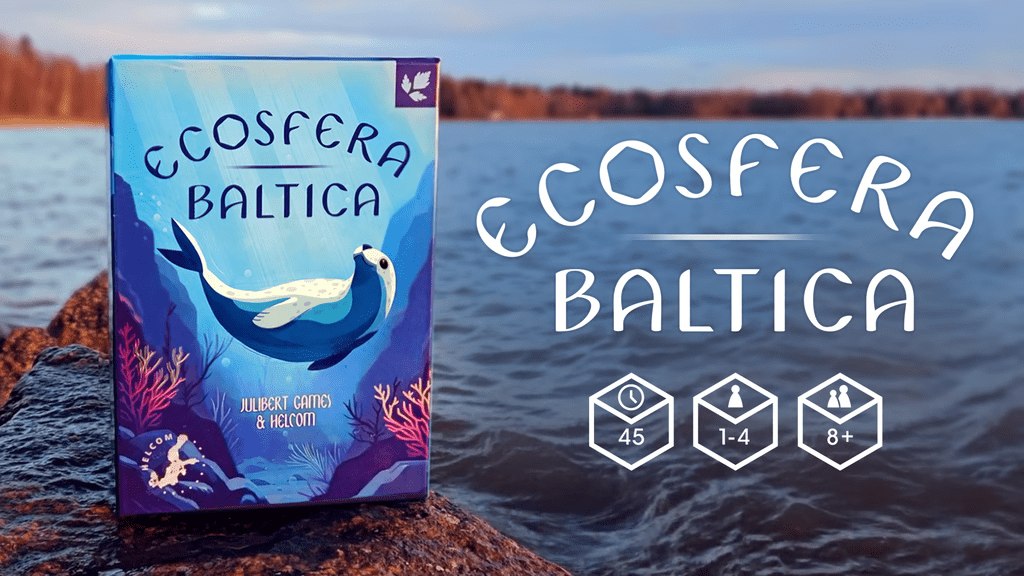
Serious games are games that are used for purposes that extend beyond entertainment alone, and can be used as an experiential ways of teaching scientific concepts. However, not all serious games are equally engaging and/or educational. We advise a cautious approach to serious games where the intention of the game is well communicated (e.g., through game facilitation) and the game is made fun (for example, using colorful graphics or innovative game mechanics). Check out some examples of serious games for developing ocean literacy below!



Escape Rooms
Educational escape rooms are also useful as a means to bring situational science to a non-specialist audience - whatever age. Coupling an educational escape room experience with a debriefing session and reflection may improve learning outcomes, which we recommend. Here are some specific examples:
Informational Pamphlets
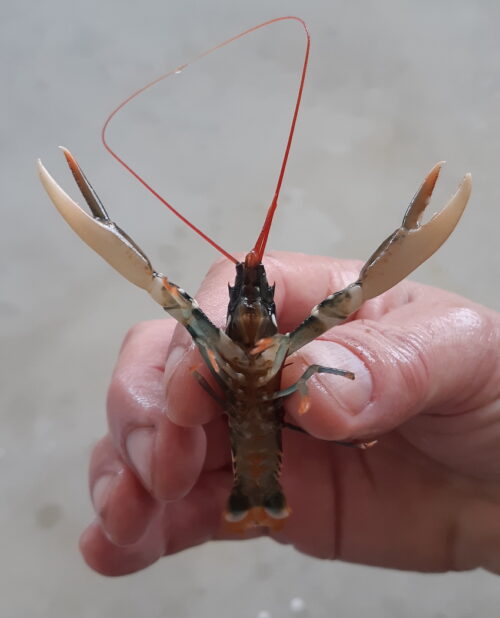
Informational pamphlets can be used individually or in collaboration with other resources to provide a richer understanding of the organisms or ecosystem you are restoring. They are scientifically accurate, beautifully designed and this means they act as a good way to engage a wider audience. They can be handed out at events or shared digitally.
Infographics
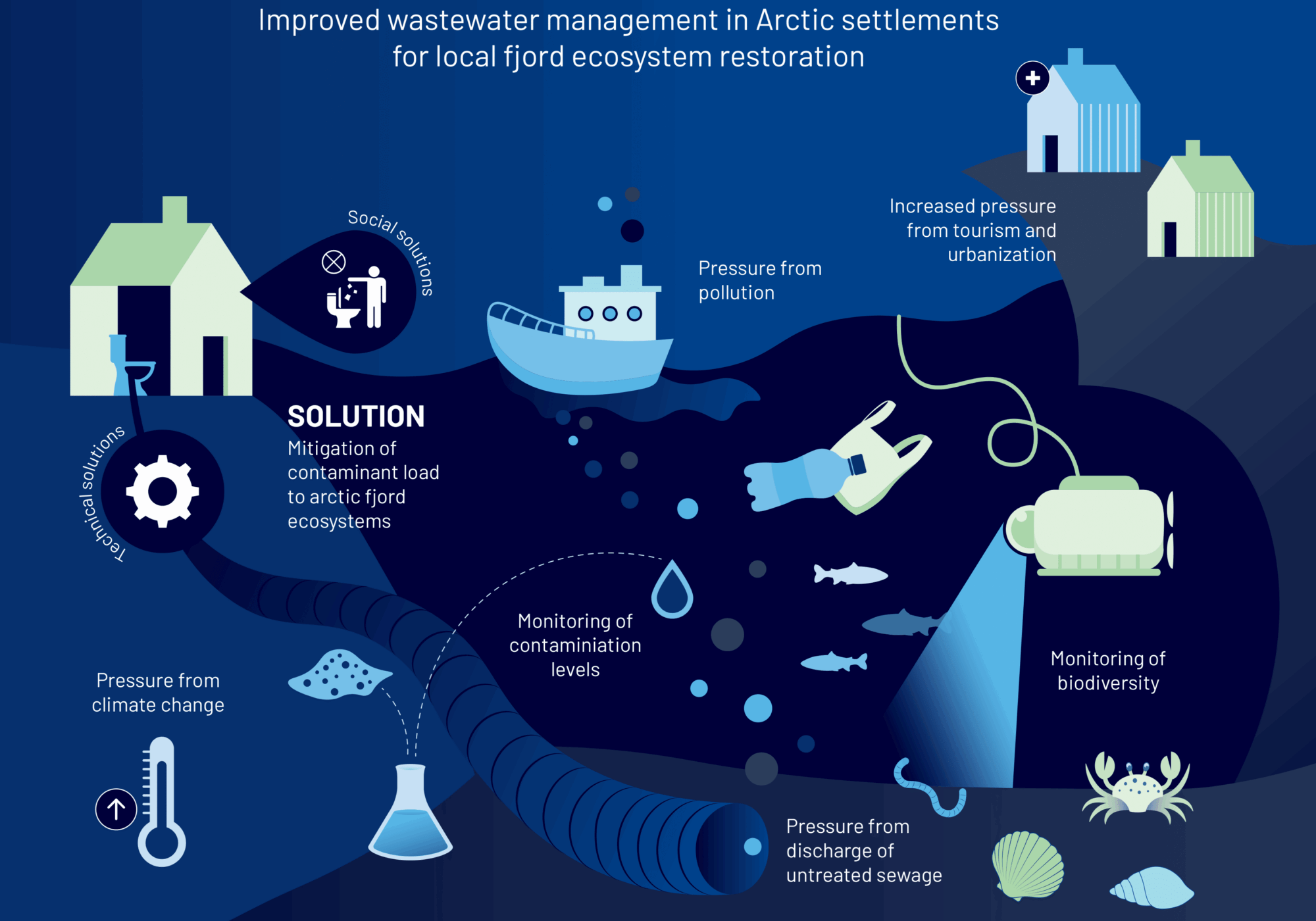
Infographics are a visual way of communicating your restoration action in a succinct and visually pleasing way. They can be used in presentations to tell the "story" of your restoration action. Here are some examples: