Seagrass Practices
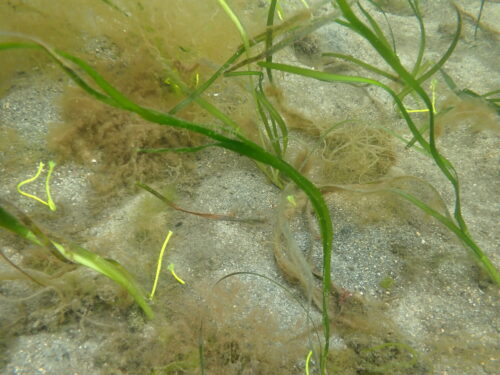
Restored Species: Zostera marina, Z. marina var. angustifolia, Nanozostera noltei, and Cymodocea nodosa
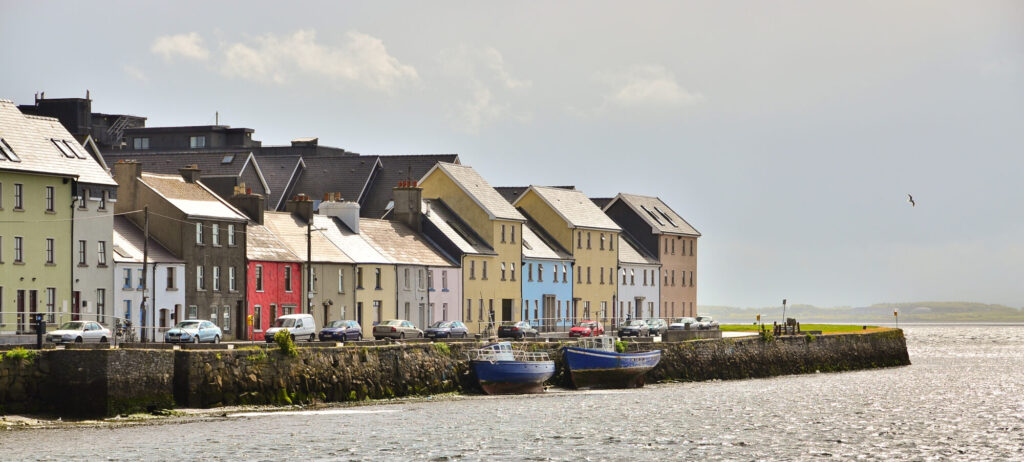
Main Stressor: Human-induced pressures and environmental changes
Practices for Seagrass Restoration

Assessment Phase
Assess historical presence of seagrass spp.
Identify potential anthropogenic and natural pressures
Assess health of potential donor meadows nearest to receptor site
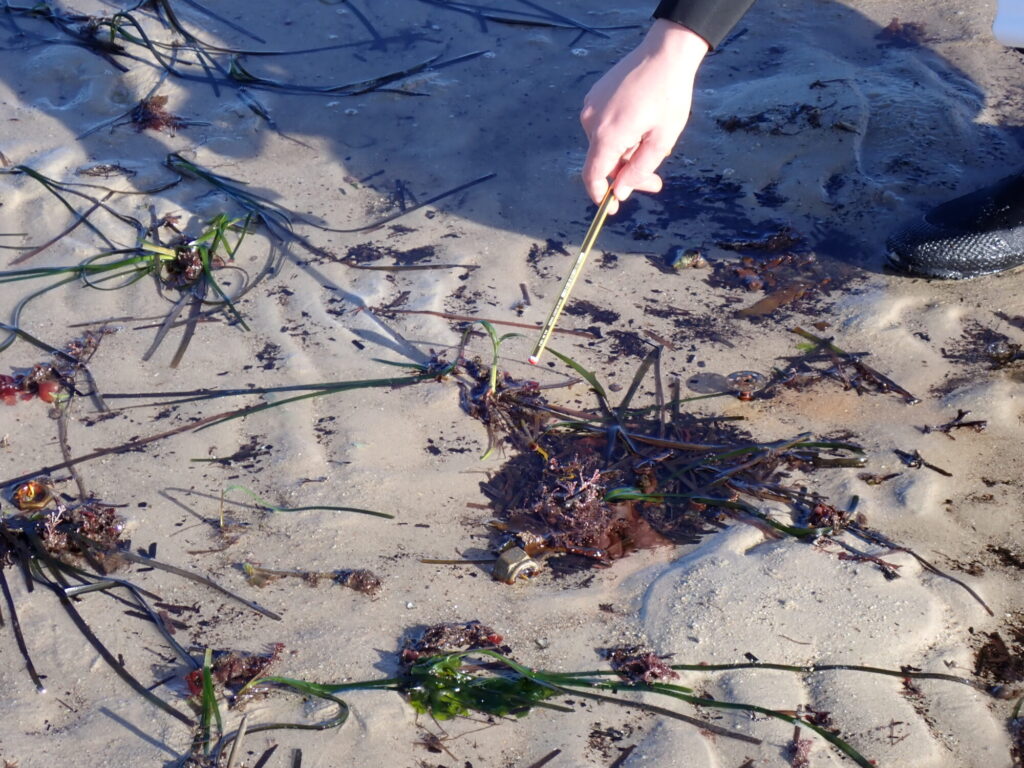

Planning and Design Phase
Choose sites with suitable environmental conditions
- Sediment types
- Water quality
- Hydrodynamics
Plan mitigation methods where possible against potential anthropogenic pressures
Consider genetic diversity to prevent unintented genetic alterations

Implementation Phase
Techniques for manual transplantation of shoots
- Frames
- Ballast
- Cores/sod
Seed-based restoration techniques
-
- Oceanic broadcasts
- Spreading seeds from matured flowers over the restoration area 1
- Hand Broadcast and Seed Bags
- Scattering seeds manually in sheltered sites
- Bags of Seagrass Seeds system: Place seeds in small, hessian bags and deploy them in grids to anchor seeds and reduce predation 2
- Mudballs
- Seeds wrapped into wet mud balls and buried in sediment to create transplant units 3
- Oceanic broadcasts
Indicators to measure
- Shoot density
- Leaf length
- Elemental composition (C, N, and P)
- Photosynthetic parameters using PAM fluorometry


Monitoring and Evaluation Phase
Conduct in-situ monitoring and utilise optical remote sensing to map meadow coverage over the medium term
Examples: Population extent, density of cover of the species, presence of fertile individuals, population size structure, biodiversity
Sentinel-2 imagery especially effective for monitoring intertidal meadows
Quantify ecosystem services
- Carbon sequestration
- Nutrient cycling
- Water quality improvements
- Biodiversity support
Successful Example
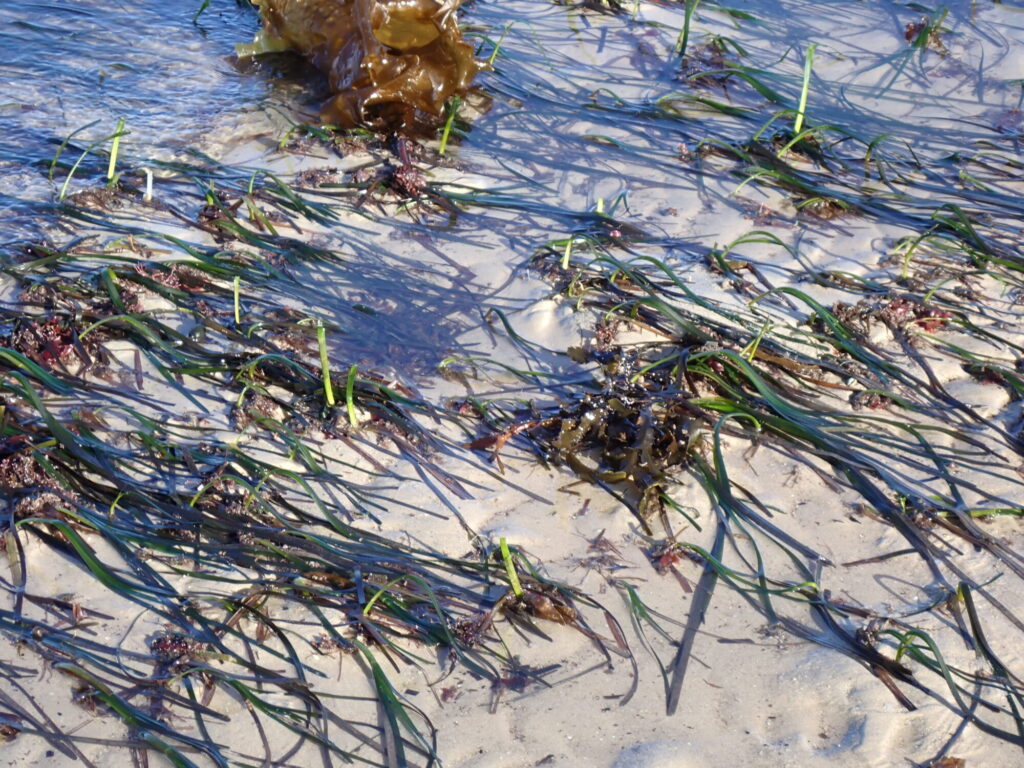
Successful implementation of seagrass restoration in Lettercallow
Non-Successful Example
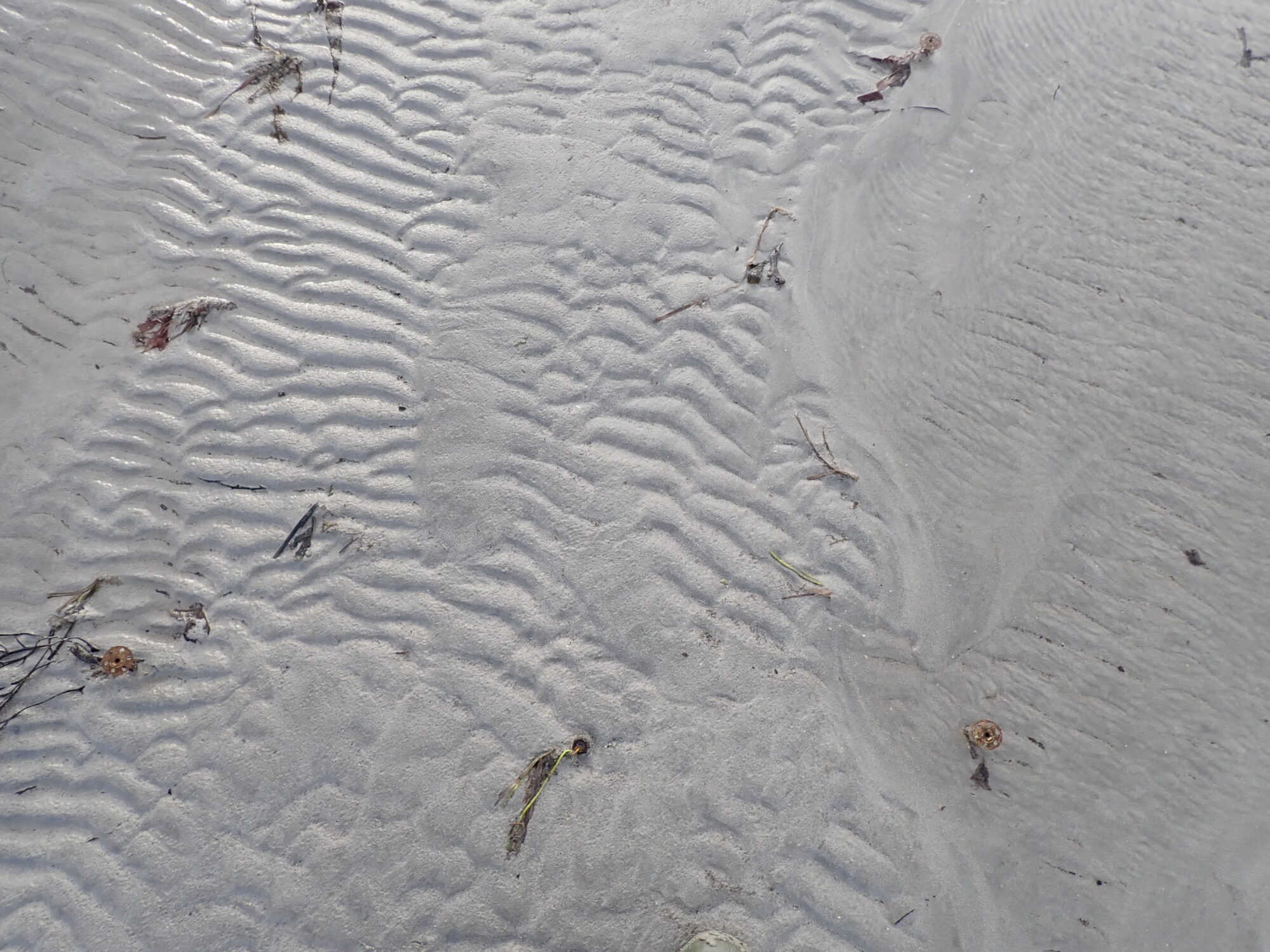
Unsuccessful implementation of seagrass restoration in Rusheen Bay

Stakeholder Engagement
Implement citizen science initiatives early to support restoration and monitoring
Map and engage stakeholders to ensure long-term support and sustainability
Collaborate with local authorities, marine conservation organisations, and policymakers to secure legal and financial support
Promote public awareness campaigns on the benefits of seagrass meadows
Develop citizen science networks to involve communities in monitoring and other efforts
Advocate for policies that protect segrass habitats and integrate restoration into coastal management strategies
Click on the diagram above to learn about who to engage throughout the restoration project!
Useful Contacts
Juan Lugilde Yáñez
University of Galway
Liam Morrison

University of Galway
Ricardo Bermejo