Arctic Erosion, Svalbard Case Study
Case Study Components




Introduction to the Site
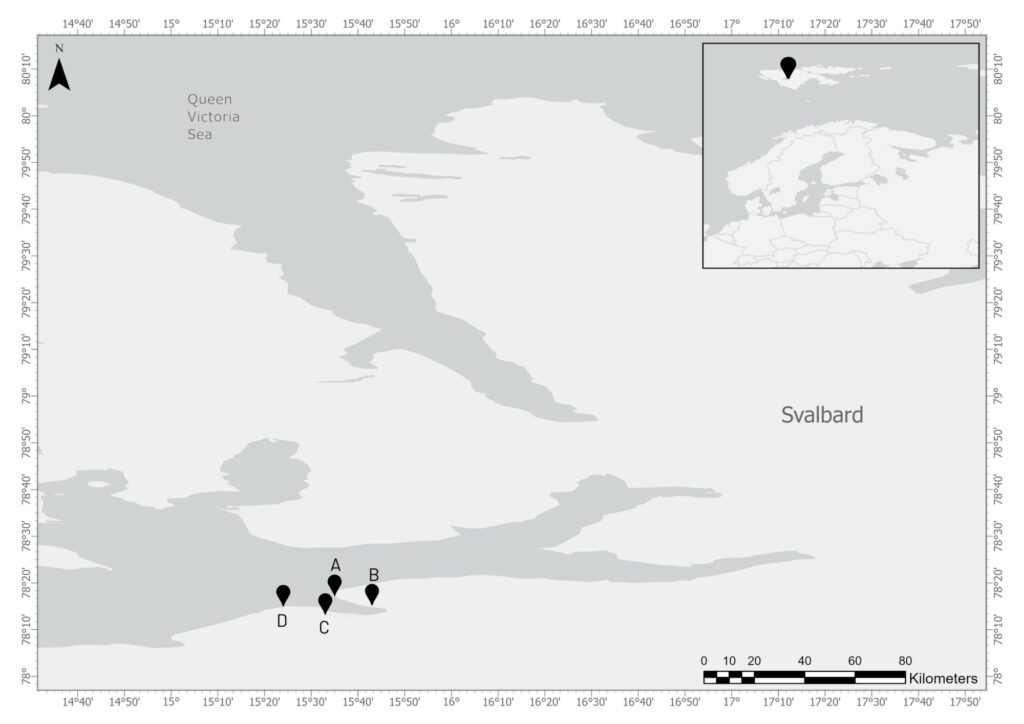
Location: 78.2253 N, 15.6256 E
Observed ecosystem changes
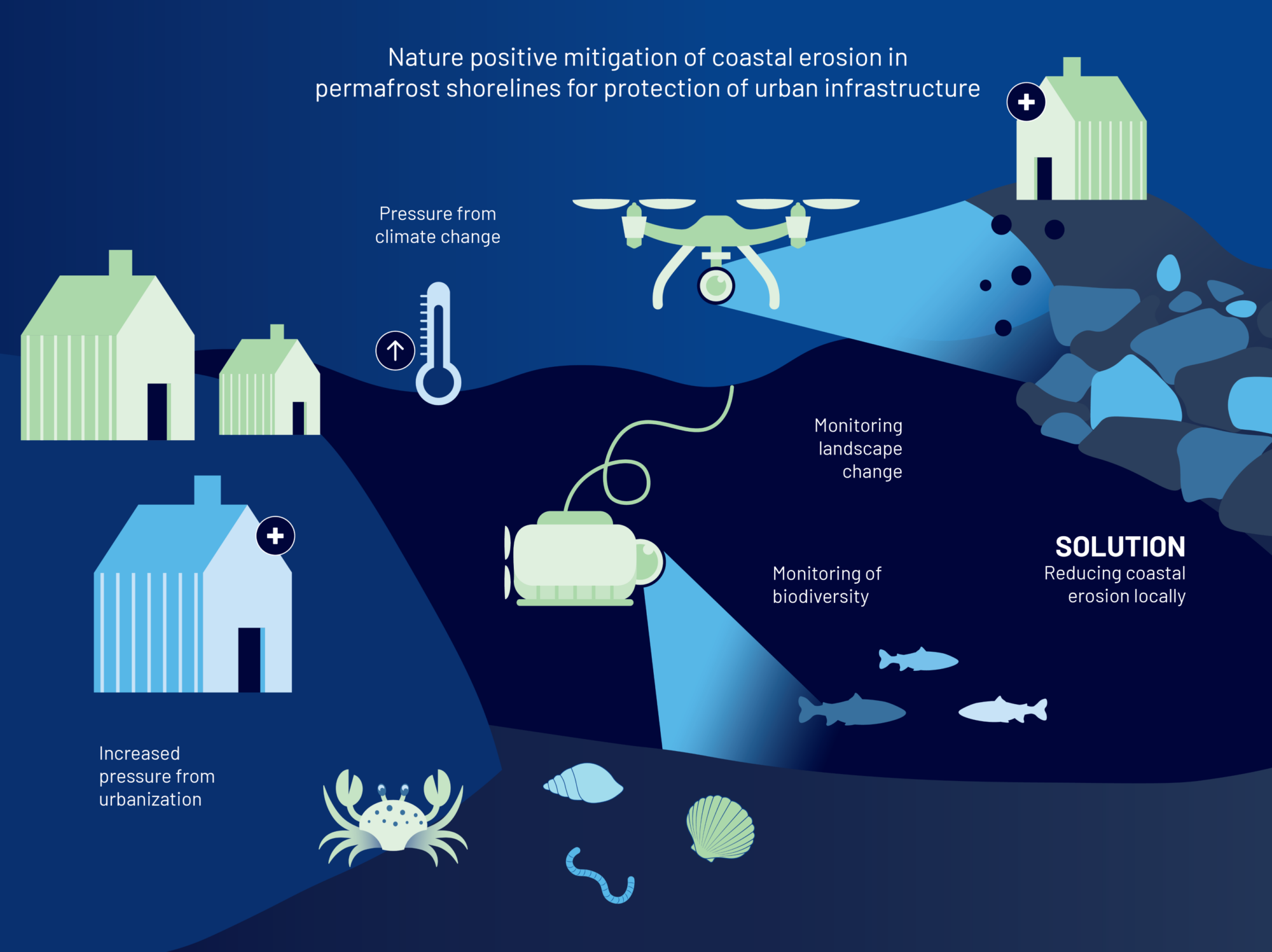
Increased erosion potential due to climate change
CLIMAREST Objectives
Utilise nature-based and hybrid solutions to prevent further coastal erosion
Features of Svalbard
Norwegian archipelago in the Arctic Ocean
Hosts several permanent settlements and research stations
Climatic challenges include melting of permafrost, changes in sea ice patterns, increased precipitation and storms and less stable weather patterns
Map indicating the location of Longyearbyen, Svalbard where the demonstration occured.
Driving Factors and Motivations
The main driving force has been coastal erosion threatening nearby roads and infrastructure. While addressing the issue of erosion, the project was also motivated to provide a solution that could help increase biodiversity in the area.
Aims for restoration:
- Create a sustainable solution to coastal erosion challenges
- Implement a blue-grey restoration solution

Assessment Phase
Key Factors Considered for Site Assessment
Biodiversity
Geocryological conditions
Coastal dynamics
Environmental pollution
Metocean and map data
Area stakeholder needs

Planning and Design Phase
Primary Objective: Develop a prototype for erosion control at the site while also rehabilitating 30% of the area for natural biodiversity habitats
Permits
Central, Norwegian government
- Environmental permit
Local government authority, Longyearbyen Lokalstyre
- Building permit
Port authorities of the Longyearbyen government
Developing Project Protocols
Considerations
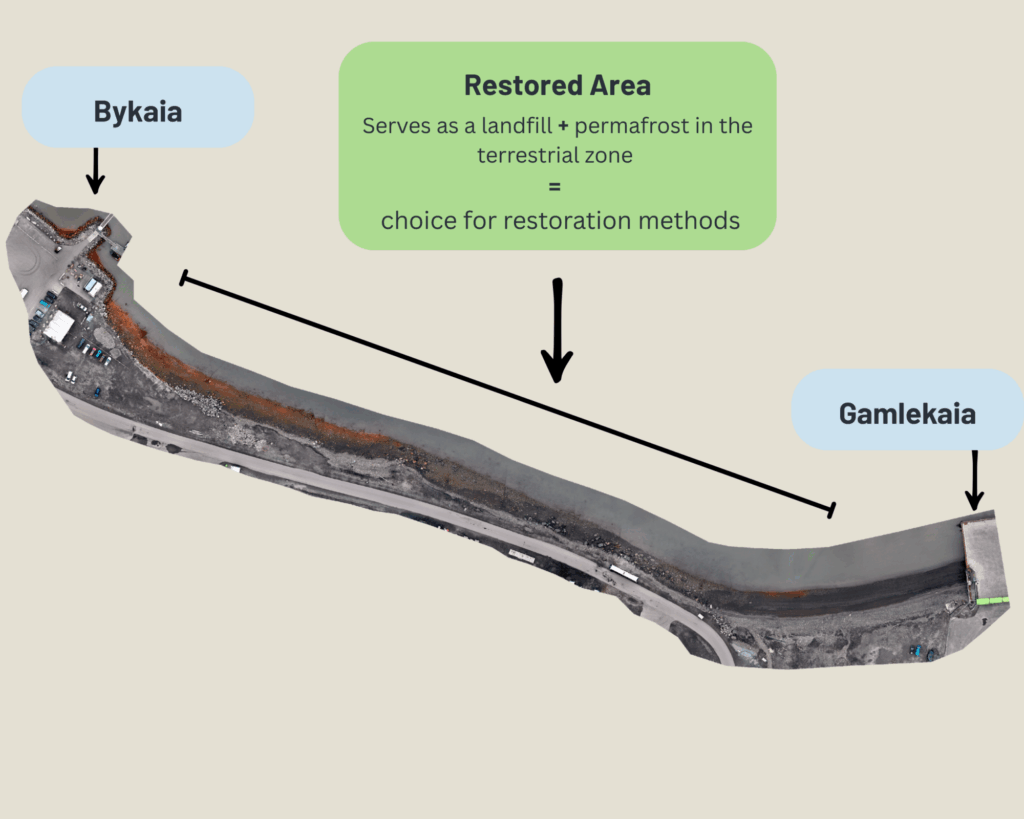
Much of the prototype site is man-made, constructed as a fill area to expand the usable coastline for commercial and recreational purposes, including a boat harbor
Cannot restore man-made sections of the site, as these are necessary infrastructure for Longyearbyen
Prototype opens the possibility for native biodiversity to re-establish and thrive
Solution
Construct sections with a semi-natural rocky beach interspersed by sections of timber structures.

Implementation Phase
Implementation Process
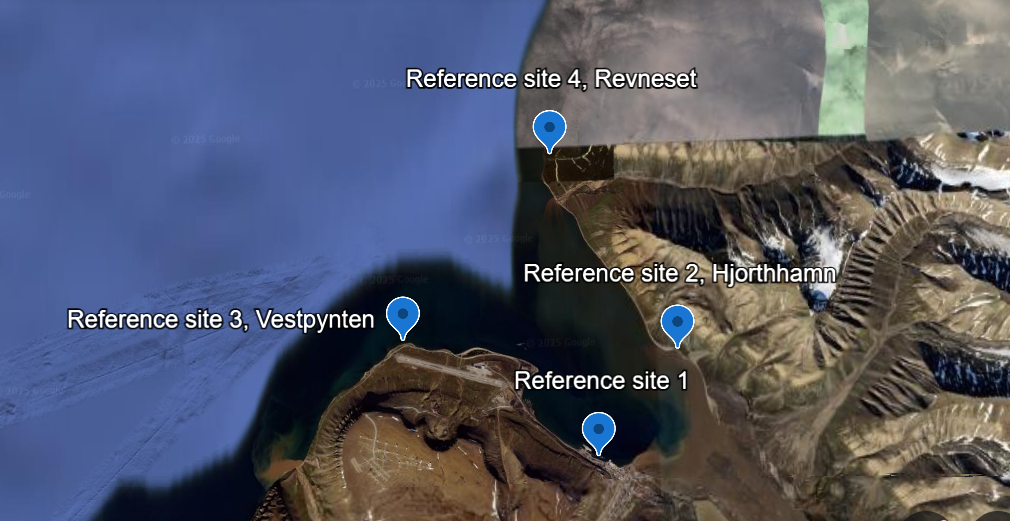
Collect eDNA samples of the area before beginning construction
Create blueprints and design of the prototype
Construct the prototype in the designated restoration area
Conduct eDNA sampling once construction is finished
Monitoring and Data Collection Process
Data types collected
eDNA samples
Geodetical surveys
Bathymetry
Stability of the prototype
Erosion rate
- Measurement examples: distances from fixed points to coastal bluffs, drone mapping, time-lapse camera, bathymetry surveys