Oyster Reef Practices
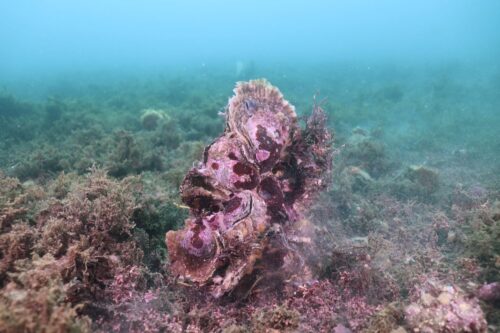
Restored Species: Ostrea edulis
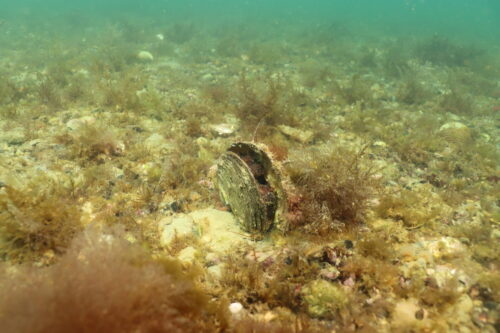
Main Stressor: Substrate limitation, predation, disease
Practices for Oyster Reef Restoration

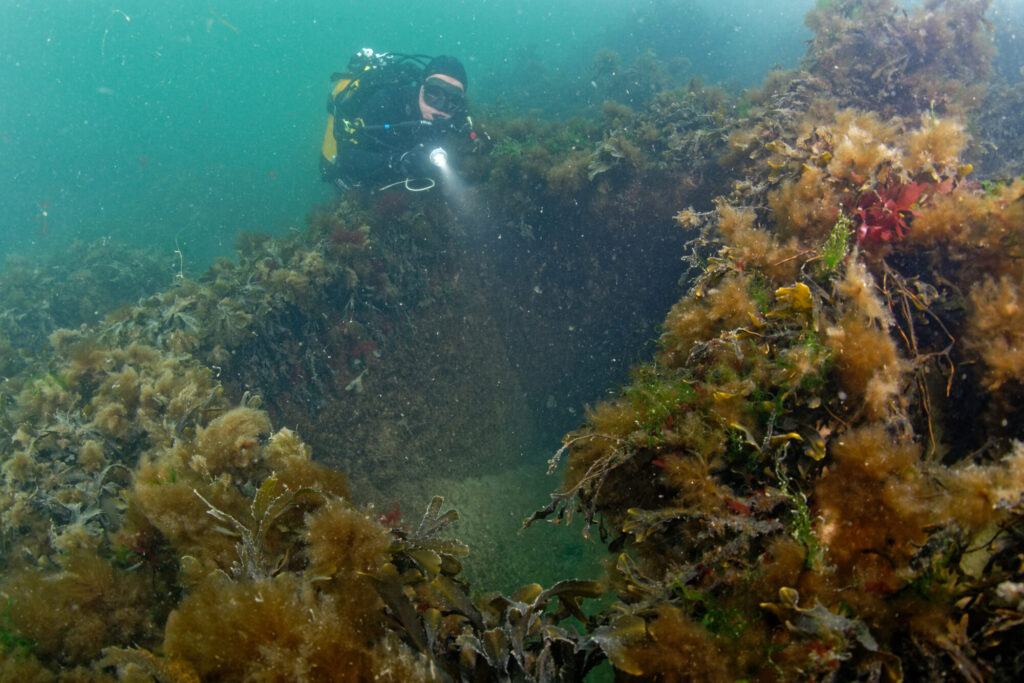
Assessment Phase
Use historical/paleological data to determine if the species was historically present in the area
- Species should only be restored in areas where it was historically present
Assess local populations and determine existing density and structure
- NORA’s native oyster habitat classification chart can be a handy resource
Determine the habitat pressures that could affect the specie’s ability to survive
- Common pressures include: limited substrate, predation, disease, poor water quality, overharvesting

Planning and Design Phase

Integrate restoration into broad marine spatial planning and coastal zone management
Define missions, responsibilities, and oversight mechanisms for all those involved in the restoration process
Consider the following attributes when selecting a receptor site
- Recruitment dynamics
- Sensitivity of existing habitats
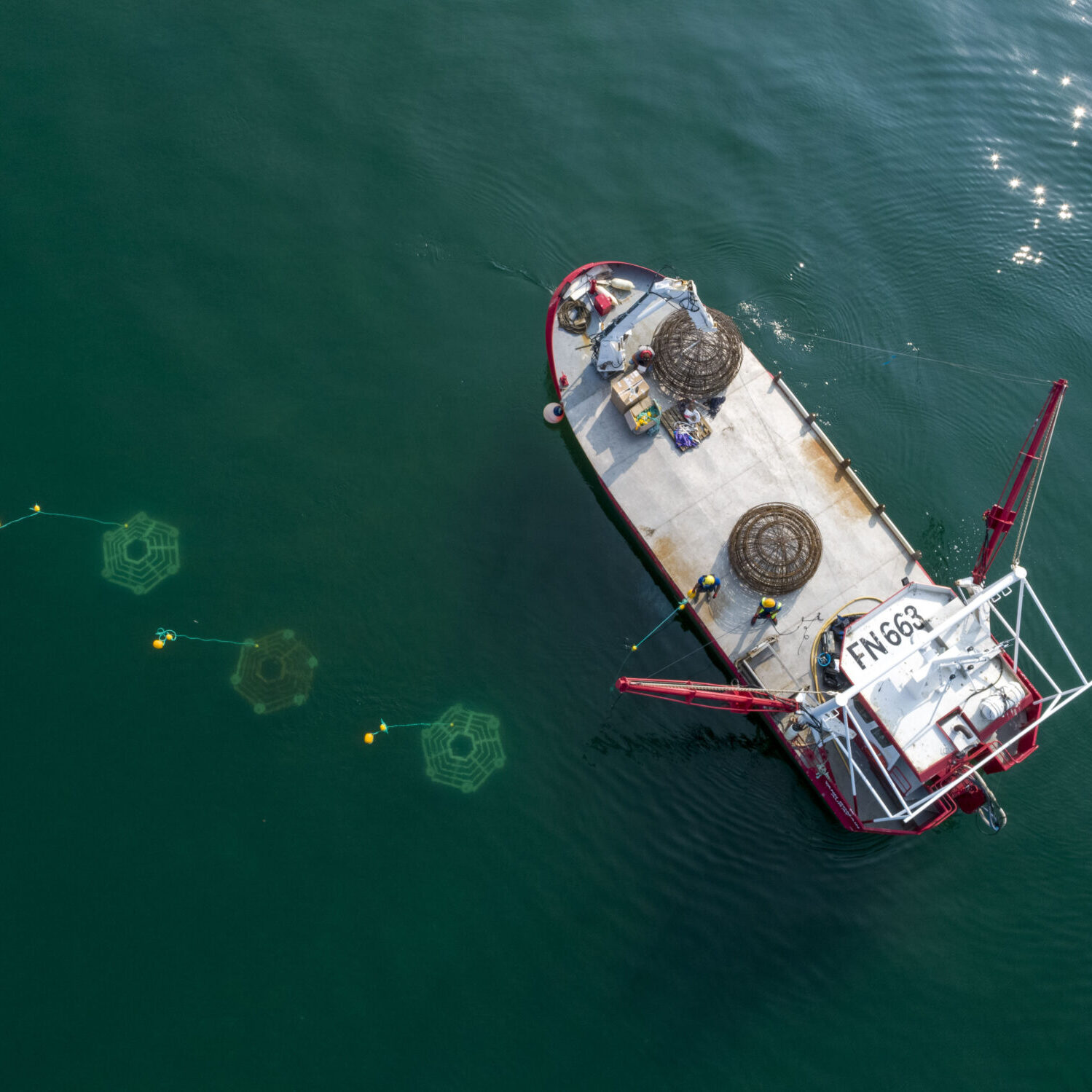
- Several types of substrates can be adapted to restoration. If substrate needs to be added, consider the following criteria for choice:
- Duration of substrate implementation (permanent reef creation vs. temporary settlement followed by seeding)
- Sensitivity of surrounding habitats
- Stakeholder perceptions and local acceptability
- Regulatory requirements
- Compatibility of substrate sourcing and deployment with hatchery production and maritime operations, etc.
Determine an alternative source of oysters for restoration if none are present locally by extending sourcing from a wider geographic scale and/or hatcheries with careful considerations for broodstock origin and characteristics and biosecurity

Implementation Phase
Favor success of implementation by paying special attention to several enabling conditions
- Raise awareness among civil society about forgotten historical baseline and extent of potential ecosystem services and share evidence of recent restoration successes
- Involve local communities, aquaculture practicioners, and other coastal stakeholders in restoration initiatives to strengthen legitimacy and stewardship
- Utilize both scientific expertise and practical knowledge available locally in coastal communities and specific stakeholders if present (example: professional fishers or aquaculture practicioners)
- Secure necessary permitting and associated regulatory issues in line with local marine space governance

Monitoring and Evaluation Phase
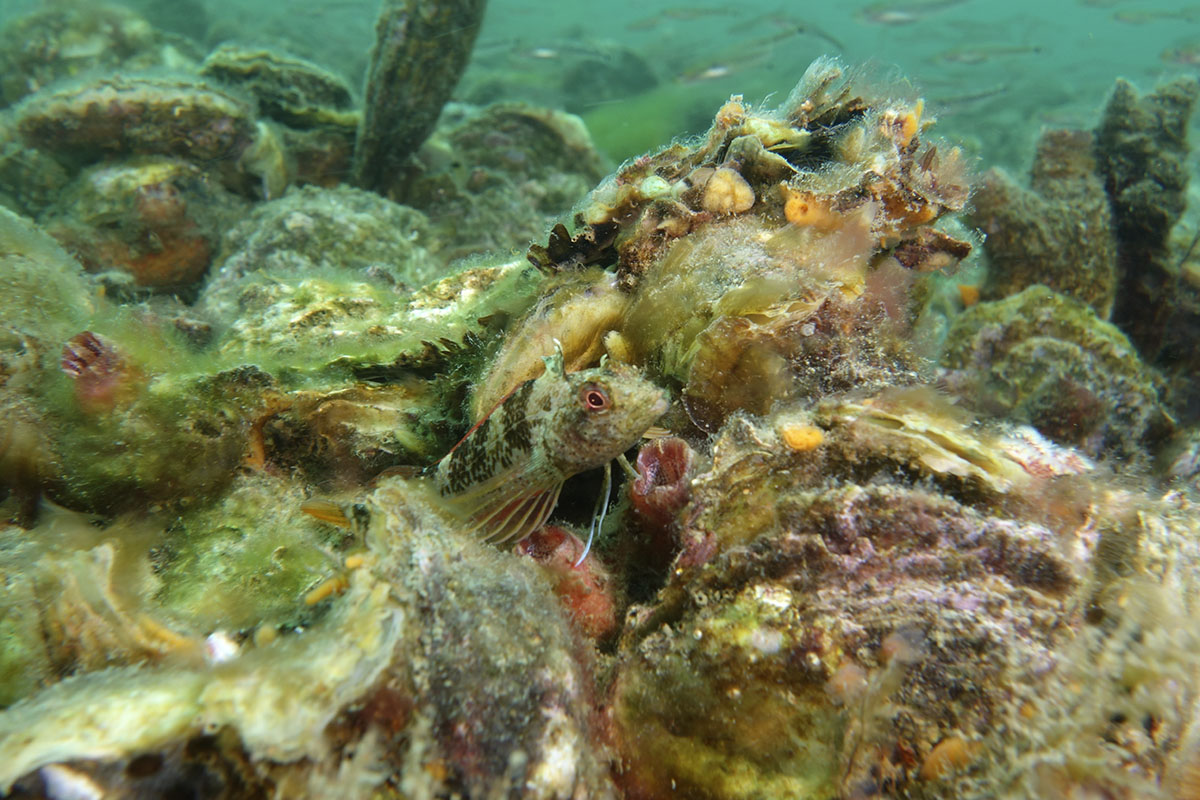
Elements to monitor long-term
- Population dynamics
- Reef development
- Biodiversity
- Ecosystem services
Adjust techniques of restoration after identifying causes of success or failure
Ensure long-term institutional and financial commitments for monitoring far beyond the implementation timeline
Share monitoring information with national and international networks to ensure knowledge and experience benefits the wider community
Evaluate success at two levels
- Target-species level (survival, reproduction, recruitment, health etc.)
- Ecosystem level (broader restoration of biodiversity, functions, and services of a healthy oyster habitat)