Arctic Erosion Practices
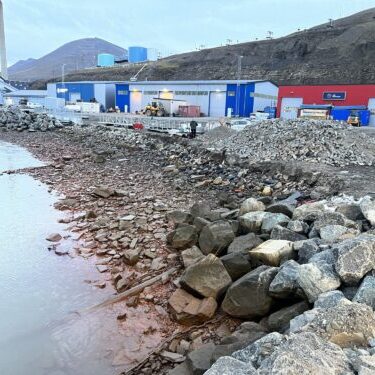
Restored Area: Arctic coastline
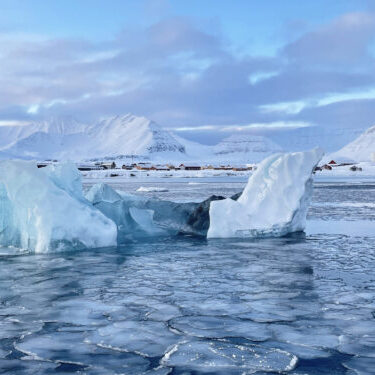
Main Stressors:Anthropogenic climate change
Practices in Arctic Erosion

Assessment Phase
Map the site with key factors
- Geocryological conditions on land in the sea
- Data on coastal dynamics in the area
- Geohazards in the area
- Map of coastal area identifying both terrestrial and marine part
- Bathymetry
- Metocean data
- Environmental pollution
- Biodiversity
- Cultural heritage status
- Performance of other coastal infrastructure in the area
Consider consequences of a "do nothing" approach
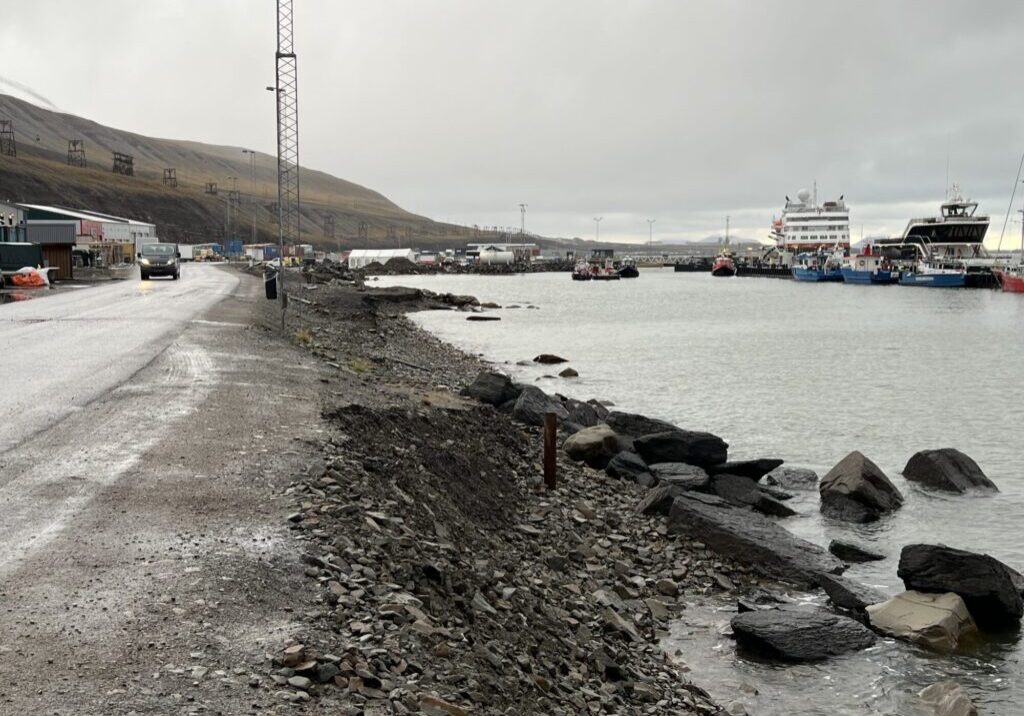

Planning and Design Phase
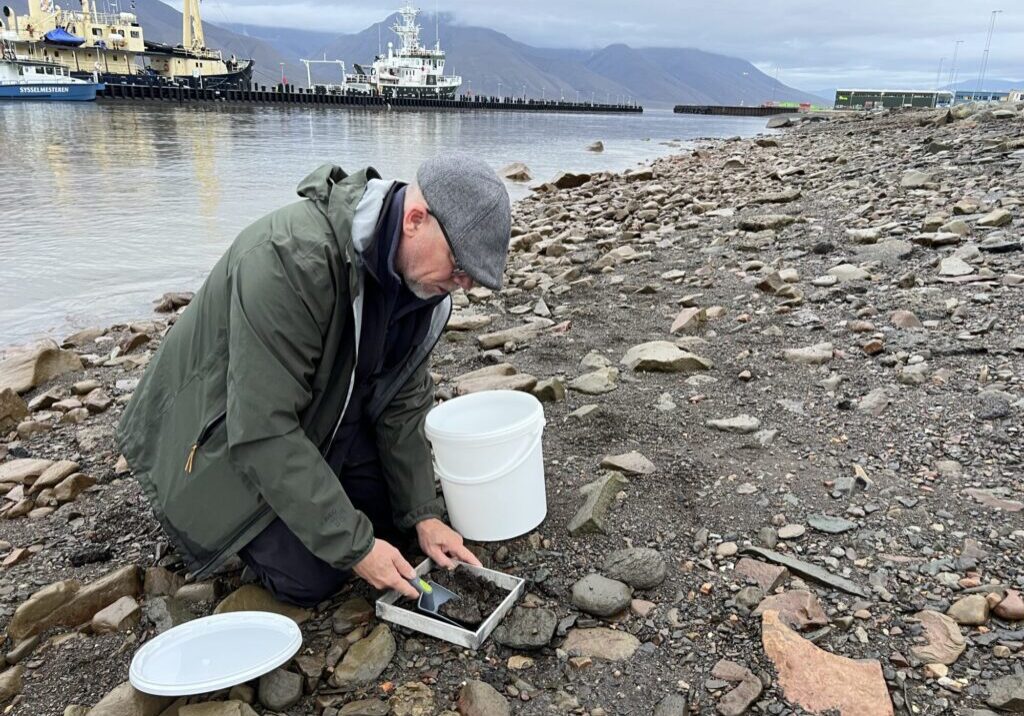
Conduct stakeholder mapping
Solutions should balance practical realism, use of eco-friendly materials, preservation of biodiversity, and social needs
Facilitate co-creation processes to ensure solutions are realistic, implementable, and socially acceptable

Implementation Phase
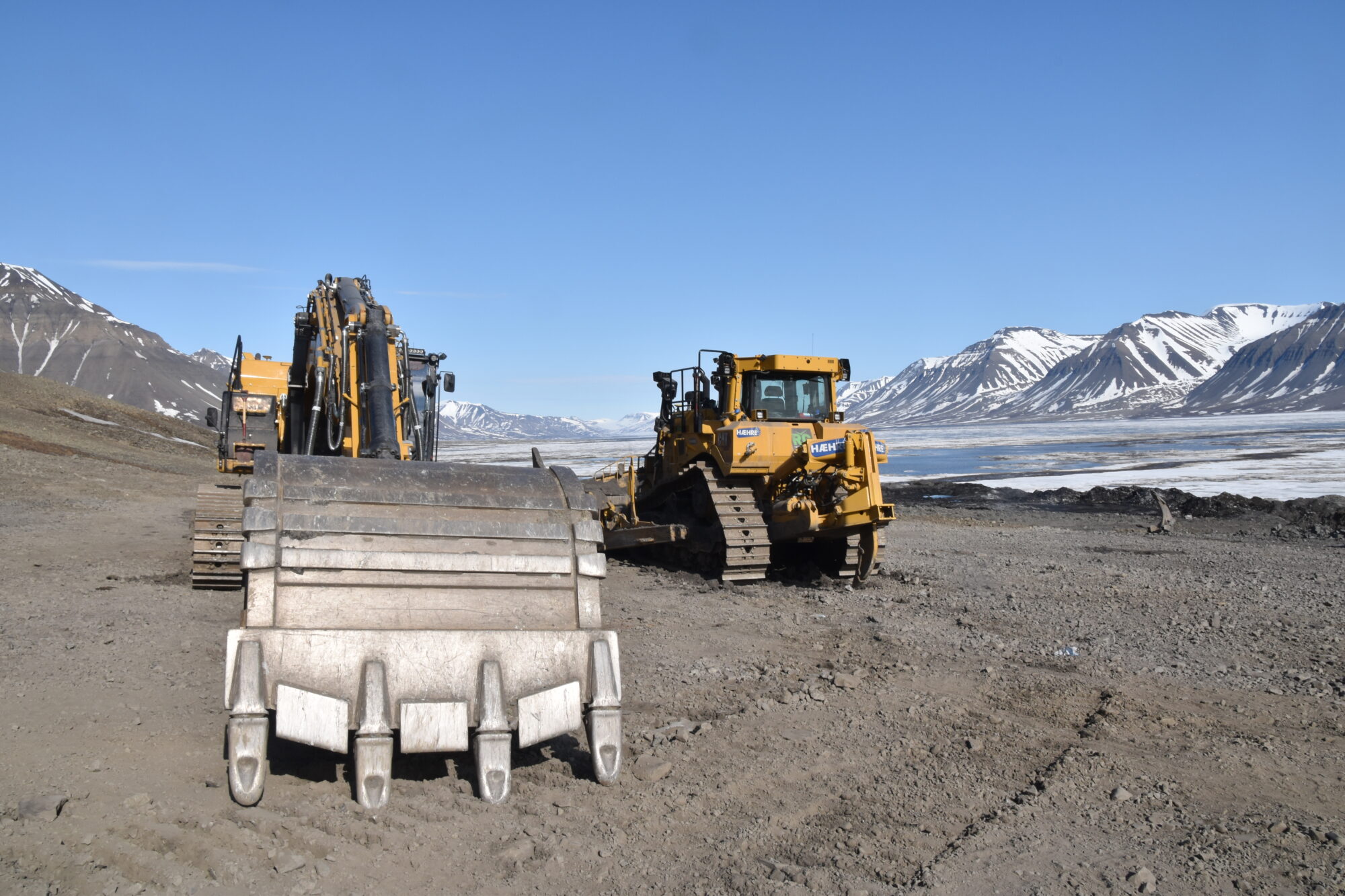
Consider that the solution may not be to restore the environment to its original state
- Original nature type may not be erosion resilient
- Restoring area could negatively impact important infrastructure
Implemented solutions must be tailored to local conditions
Introduce a new, erosion resilient nature type if restoring to the original state is not possible
- Example: Replica of a locally occurring coastal type

Monitoring and Evaluation Phase
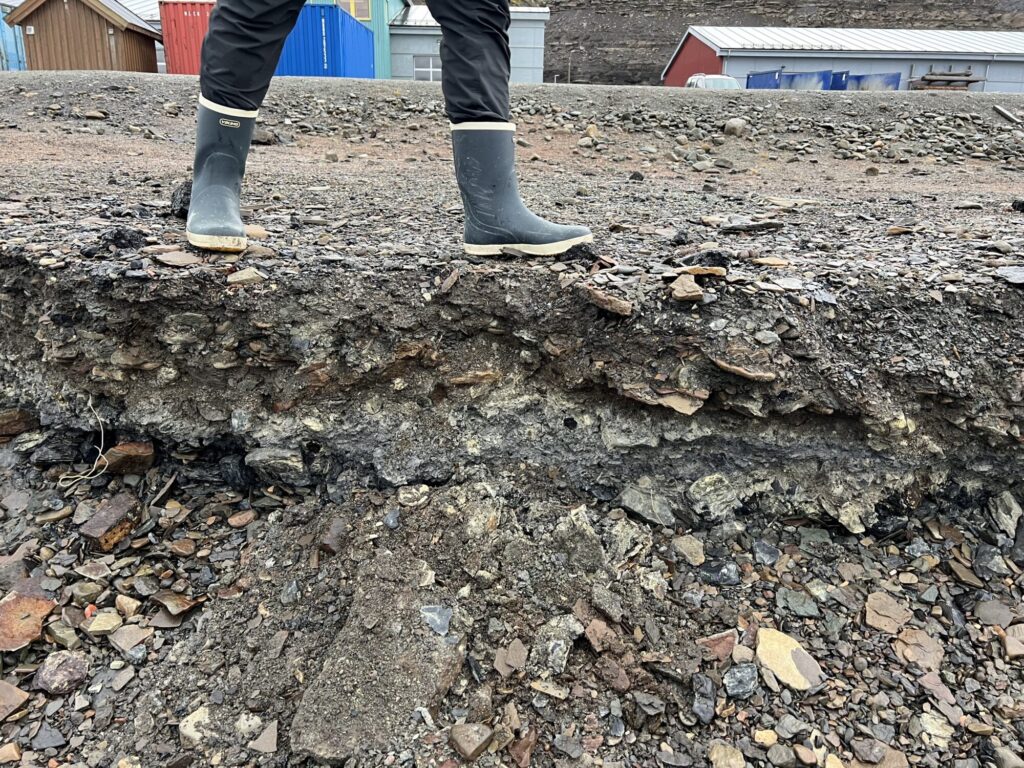
Erosion rate an important indicator for monitoring success
- Drone mapping
- Time-lapse camera
- Bathymetry surveys
- Measuring distances from fixed points to coastal bluffs
Find the correct environmental methods for your site
Design a thorough sampling plan based on general environmental assessment guidelines
Identify a multidisciplinary team to choose monitoring methods

Stakeholder Engagement
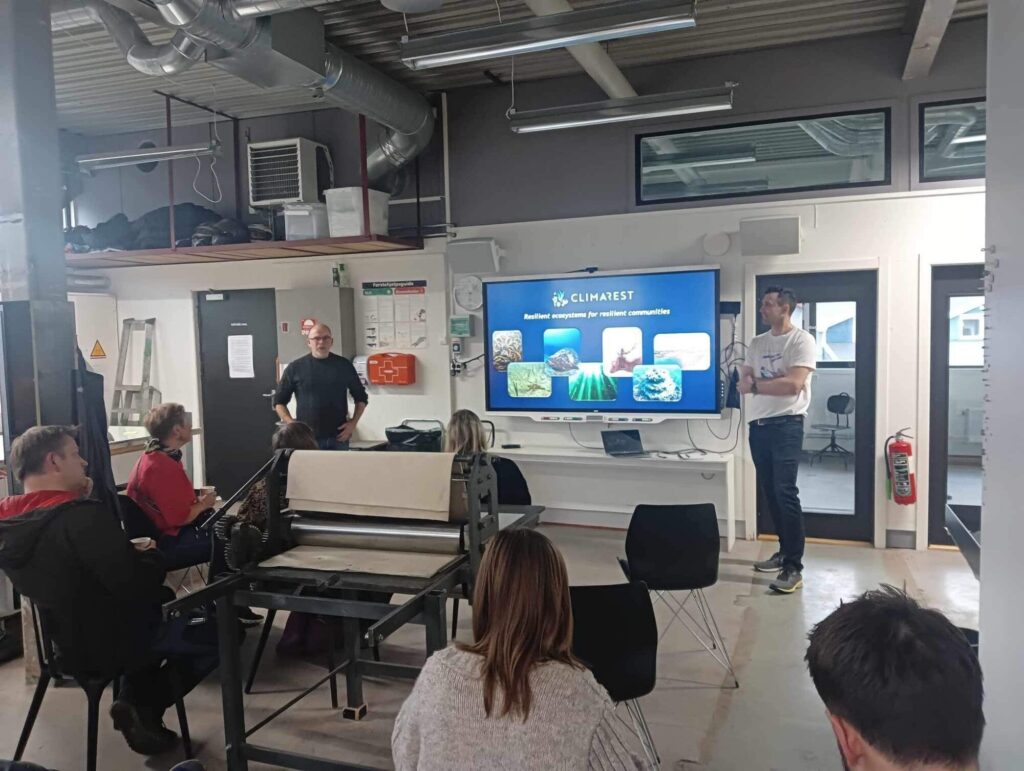
Engage stakeholders in co-creation processes, before and after restoration actions
Create content to reach local communities
- Example: Articles in the local newspapers
Useful Contacts
Anatoly Sinitsyn

SINTEF
Ingebrigt Uglem