Svalbard Digital Twin
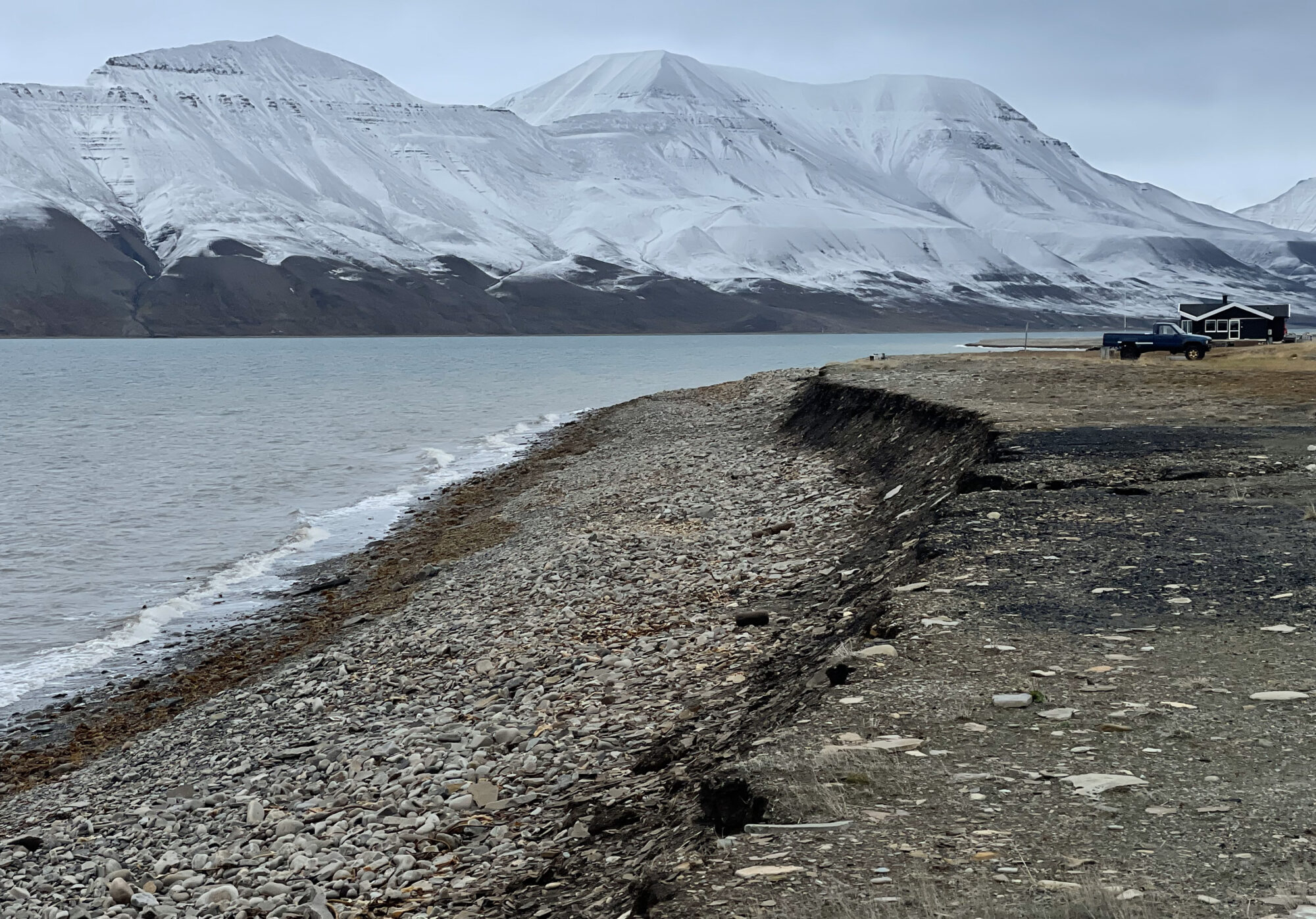
The main objective of this tool is to provide practitioners access to relevant data, models, and “what-if” climate change scenarios related to erosion mitigation in the high Arctic.
Svalbard Digital Twin Demonstration
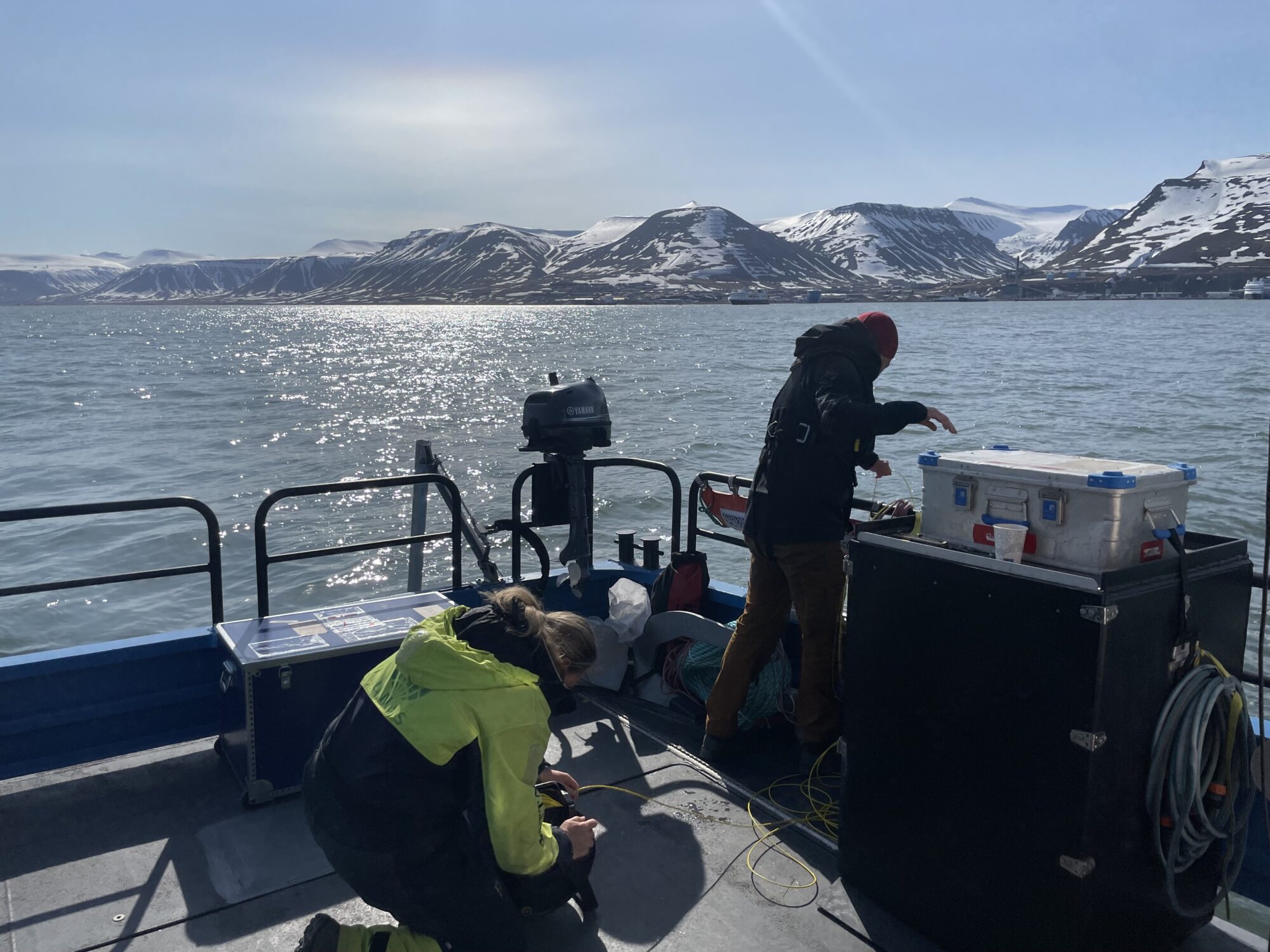
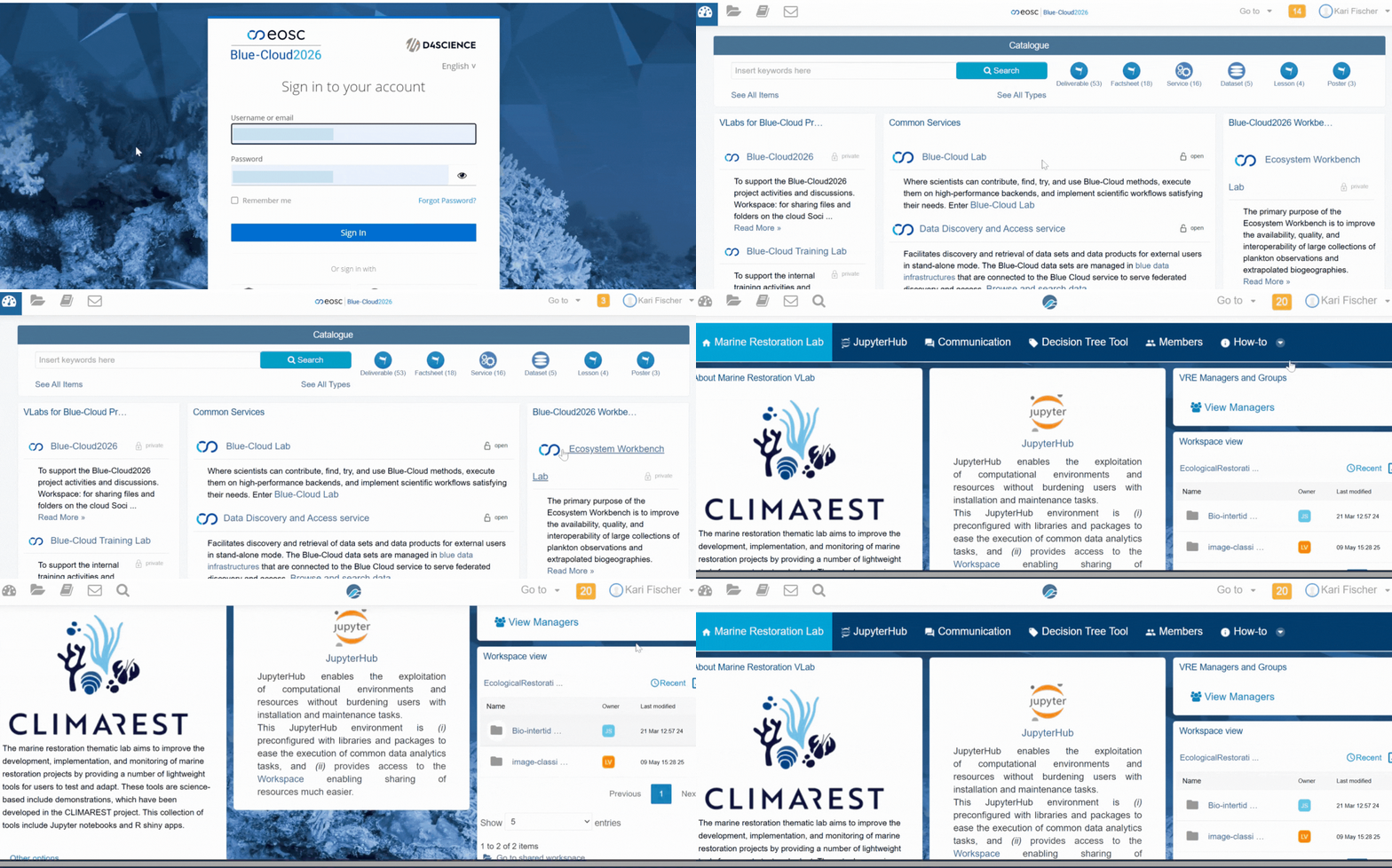
This demonstration provides an overview of how to utilize the Svalbard digital twin as well as the geographic information on where Nature Based Solutions were implemented in the CLIMAREST project. The digital twin demonstrator is provided in the format of a Jupyter notebook through Jupyter Hub. The digital twin demonstrator utilizes a story-telling approach to provide contextual information on the problem of erosion in the high Arctic and a conceptual model showing what data and modelling are necessary (including current data gaps) for the future creation of a full-scale digital twin. Visualizations of both raw and analyzed data collected in situ through the CLIMAREST project and from open data repositories such as Copernicus Marine Services (CMEMs) are provided to users. Users are able to experiment with code that includes clear documentation on how to access services and manipulate data. They are also provided with a simple interface for interacting with outputs of SWAN wave model outputs and future “what-if” scenarios from climate models.
Description of service
Conceptual model
- Experts have provided information describing the CLIMAREST high arctic demonstration case for implementing a Nature-Based Solution for erosion.
- Experts have developed a conceptual model for necessary data and information for building an operational digital twin to address erosion in the high Arctic.
Data visualizations and analyses
- Drone imaging data collected in situ in the demonstration case at different levels of processing are accessible to users.
- Relevant data identified by subject matter experts from open sources (both from local e.g., Norwegian and European e.g., Copernicus, OBIS) are provided and visualized.
- Data on social, environmental, and physical factors that influence or are impacted by erosion in the high Arctic are provided and visualized for users.
- Organizations, services, and sources of data that may be useful to users interested in erosion mitigation in the Norwegian high Arctic are provided.
- Clear documentation for accessing existing services such as Copernicus Marine Services are provided to aid users in using existing data services.
Model outputs and interactive services
- The user can interact with models developed by subject matter experts in interactive widgets.
- Widgets allow for interaction with SWAN wave model outputs (backcasting).
- Widgets allow for interaction with “what-if” future climate scenarios for Svalbard (forecasting).